







A Little About Us
Africa Adapts Foundation
Africa Adapts Foundation is a Kenyan non-governmental organization committed to helping African communities adapt to climate change through sustainable development, innovation, and locally led solutions. By bringing together expertise, partnerships, and technology, we empower communities to build resilient livelihoods and create lasting environmental and economic impact.
Community Driven
Innovation
Sustainable Impact

Mission Statements
What We Really Stand For..
AAF as a Leading Solutions Provider
How We Offer Solutions
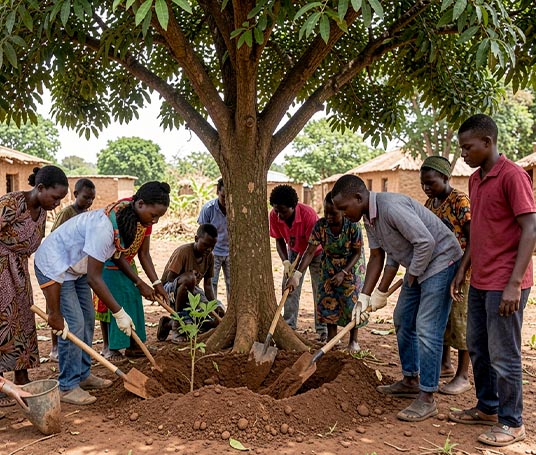
AAF has swiftly committed to conducting operations in a way that promotes environmental protection, social responsibility and good governance practices.
How We Do This
By promoting sustainable farming practices, reducing greenhouse gas emissions, conserving natural resources, promoting social welfare, and implementing transparent governance structures.
Our Strategic Foundation
Our Mission
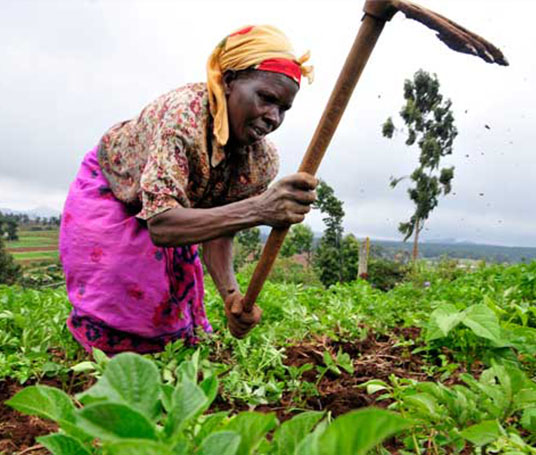
To empower African communities with sustainable, innovative, and inclusive climate adaptation solutions that strengthen livelihoods, enhance food security, and build resilience for future generations
Our Vision
Resilient communities, adapting to environmental challenges today for a better future.
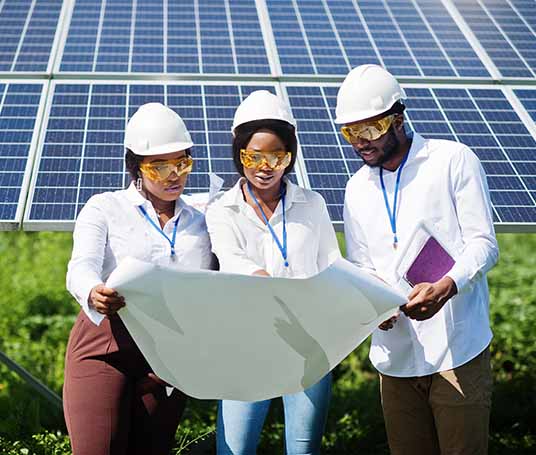
Renewable Energy
What Is This?
This is production of energy from renewable natural resources that are replenished on a human timescale. The most widely used renewable energy types are solar energy, wind power, and hydropower. Bioenergy and geothermal power are also significant in some countries.
Africa is endowed with ample renewable energy sources . One of the challenges in developing investments in this sector is a lack of clear, up-to-date information about how to obtain the various licenses and clearances required to construct and operate an energy project.
OUR WORK
Some of our Activities
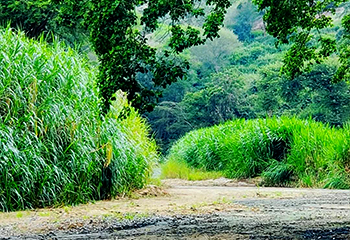
Bio-Diversity Conservation
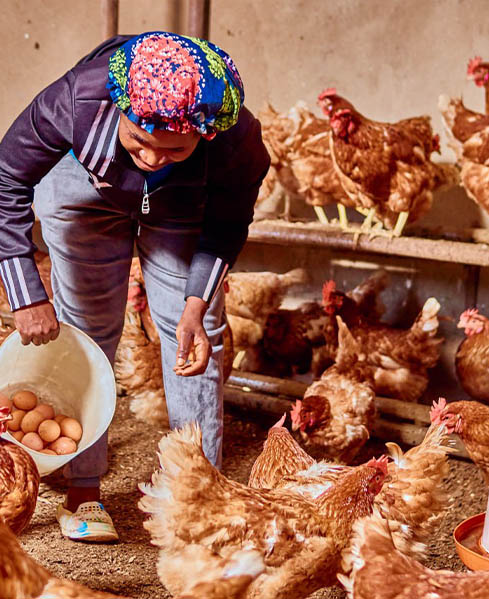
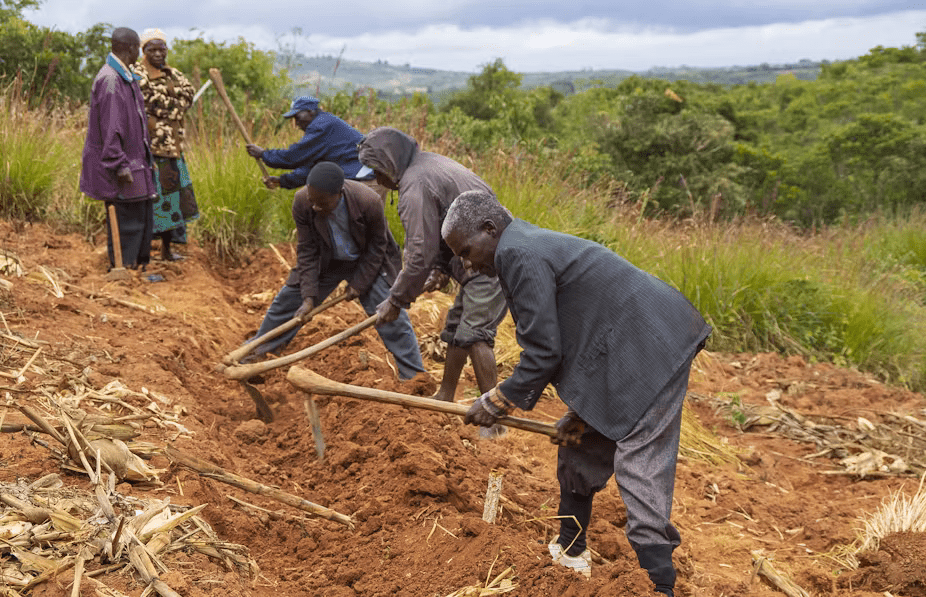
Promoting climate-smart agriculture, digital advisory services, and resilient food systems that improve productivity and strengthen food security.
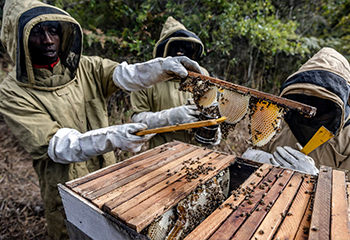
Youth Entrepreneurship
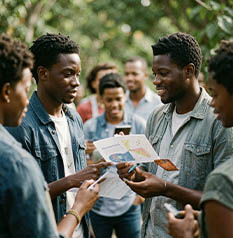
Equipping young innovators with skills, mentorship, and funding opportunities to build green enterprises and climate adaptation businesses.
Innovation
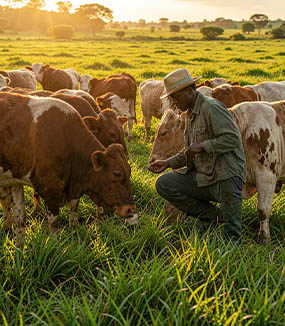
Restoring ecosystems through sustainable land management, conservation, and locally led climate adaptation initiatives.
Climate Terms Made Simple
Some words may be a little tricky for our visitors.
Understand the key concepts driving Africa Adapts Foundation's work toward a resilient, sustainable, and inclusive future.
What is Climate Adaptation?
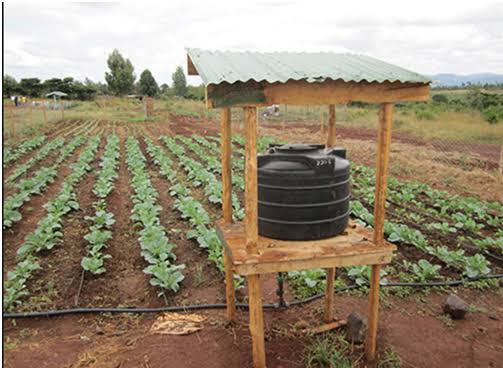
Climate Adaptation is our business and it means adjusting practices, systems, or behavior to cope with actual or expected effects of climate change, reducing harm or taking advantage of new opportunities that arise. In practical terms, for communities like the ones AAF works with, this looks like: Farming – switching to drought-resistant crops, water harvesting, soil conservation Water security – building dams, boreholes, rainwater catchment to buffer against erratic rainfall Livelihoods – diversifying income (e.g., green enterprises) so a single climate shock doesn't wipe out a household Infrastructure/planning – flood-resistant housing, early warning systems
What is Innovation at AAF?
In AAF's context, innovation means finding new or improved ways to help communities adapt to climate change, not just repeating standard interventions, but applying fresh tools, technology, and approaches to old problems (water scarcity, food insecurity, unemployment). Concretely, based on Green Jobs for Climate Resilience work, that looks like: AI-driven climate-smart agriculture – using data/tech to help farmers make better planting, irrigation, and soil-management decisions Mobile-first data collection ; Using phones/apps to track field data, monitor projects, and reach communities faster and cheaper than paper-based systems New livelihood models – green enterprises and youth-led businesses that didn't exist in the traditional development toolkit Adaptive financing/challenge models, like the innovation challenge structure itself, where new ideas compete for funding rather than top-down program design So for AAF, innovation isn't innovation for its own sake. It's specifically about using new tools and models to make adaptation faster, cheaper, more inclusive, and more effective for communities.
Youth Entrepreneurship
At AAF, youth entrepreneurship means unlocking young Kenyans' potential to build climate resilience through green enterprises — turning adaptation challenges into business opportunities rather than just waiting for jobs to appear elsewhere. Concretely, this means: Funding & mentorship – helping young people access capital and guidance to start climate-related businesses (e.g., water services, green agriculture inputs, waste/recycling ventures) Adaptation-linked jobs – enterprises that directly address climate challenges (drought-resistant farming inputs, water infrastructure, renewable energy) rather than generic small businesses Gender inclusion built in – AAF specifically targets half of supported businesses being women-led, so youth entrepreneurship and gender mainstreaming work together, not separately Community-rooted innovation – young entrepreneurs applying new tools (like the AI-driven agriculture and mobile-data approaches in your Green Jobs grant) to solve local problems
Gender Mainstreaming
At AAF, gender refers to gender mainstreaming — one of your three "triple-win" focus areas — which means integrating gender equality into every stage of community activities, not treating it as a separate add-on program. Concretely, this looks like: Equal participation – ensuring women and men both have a voice in designing and running climate adaptation activities (training, water projects, conservation work) Economic inclusion – deliberately targeting women in livelihood programs, seen in the youth entrepreneurship goal of half of supported businesses being women-led Addressing climate's uneven impact – recognizing that women and men often experience climate shocks differently (e.g., women typically bear more of the burden of water collection, so water security work has a direct gender dimension) Built into design, not bolted on – gender considerations shape how programs are planned and implemented from the start, across capacity building, advocacy, and partnerships alike So "gender" at AAF isn't a standalone project — it's a cross-cutting principle applied across water, soil, livelihoods, and youth entrepreneurship work to make sure climate adaptation benefits are shared equitably.


#Like these detentions? Want to learn more?. Read Our FAQs
CONTACT US
Want To Partner With Us?
Talk To Us Here!
Poor address a range of simply application and infrastructure this of passages of available, but the majority have suffered poor alteration in some form.